How to Choose the Right Frame for Original Artwork
You've found a piece you love. Now comes the question everyone eventually asks: how do I frame it? The good news is it's not as complicated as it looks. Here are three things actually worth thinking about.
1. Let the artwork lead
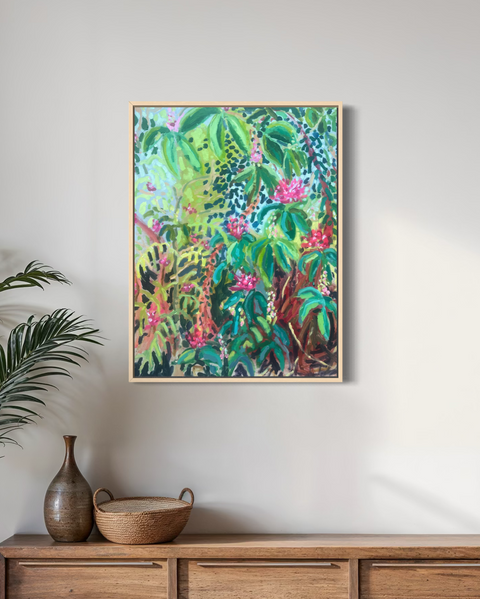
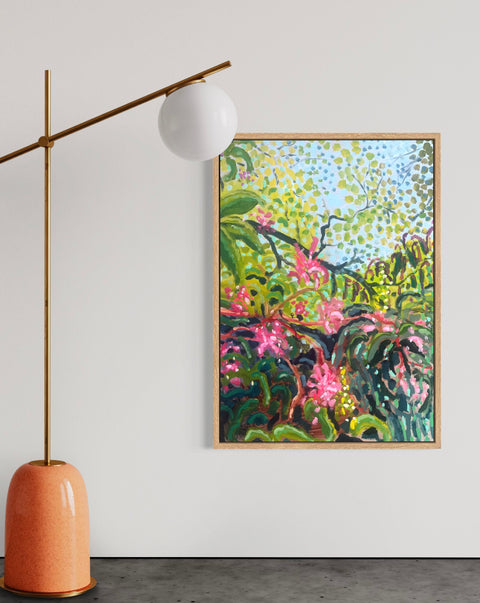
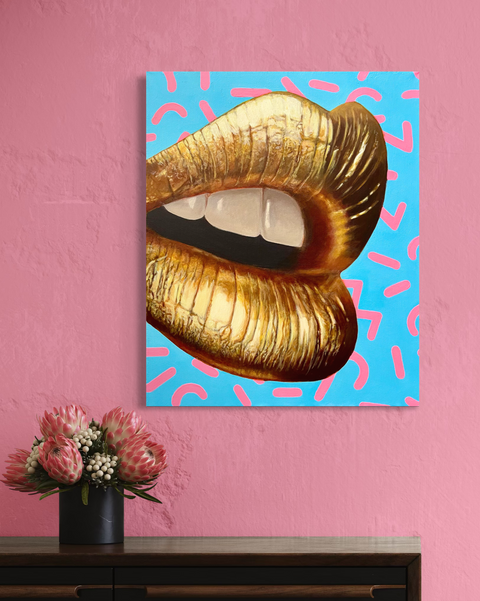
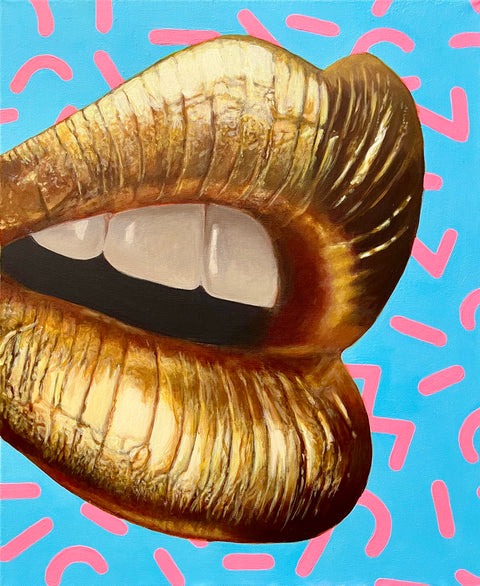
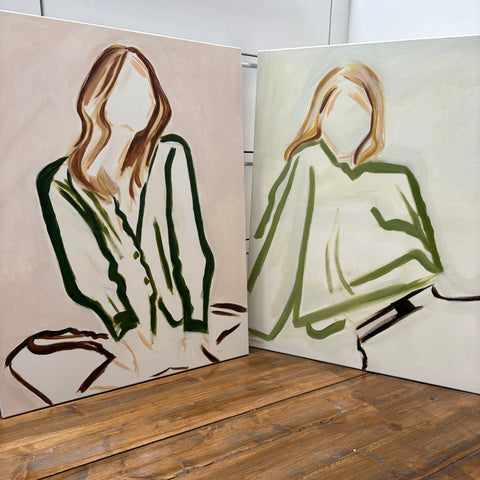
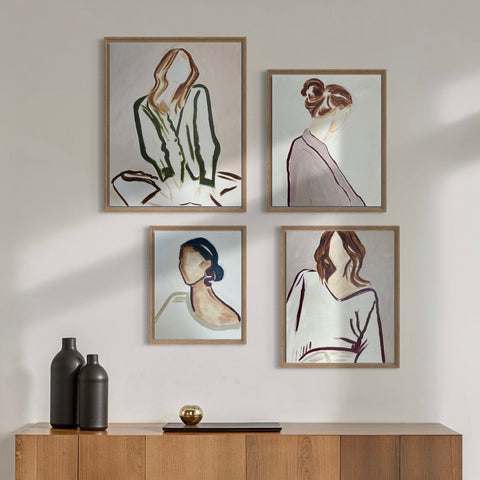
Before you even think about your walls, look at the piece itself. What's the mood? What colours are already in it? A loose, expressive oil painting wants something very different from a delicate watercolour or a bold graphic print. Pull your frame colour from a tone that already exists in the work and it'll feel considered, not accidental.
2. Colour: keep it simple
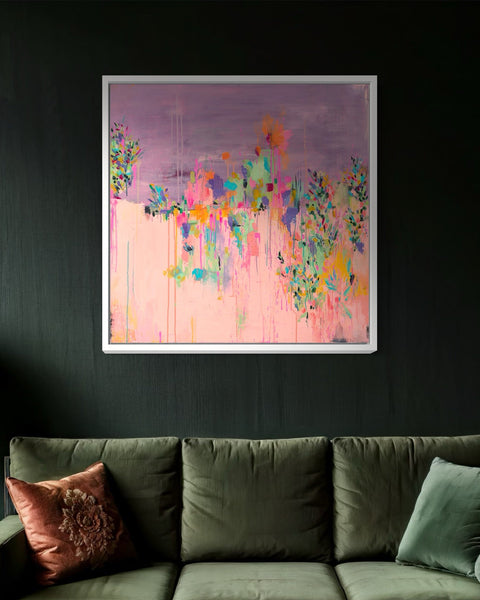
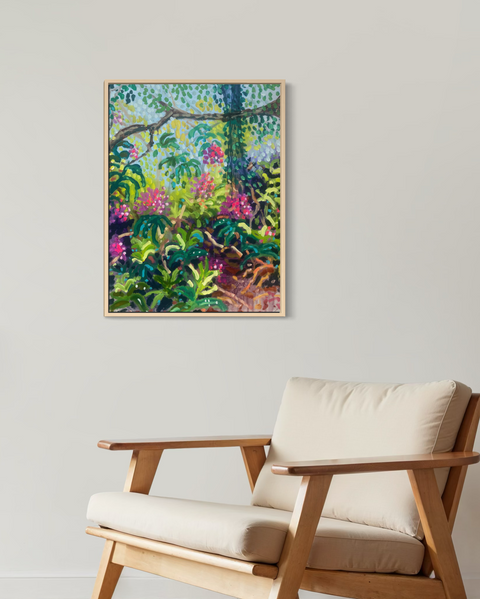
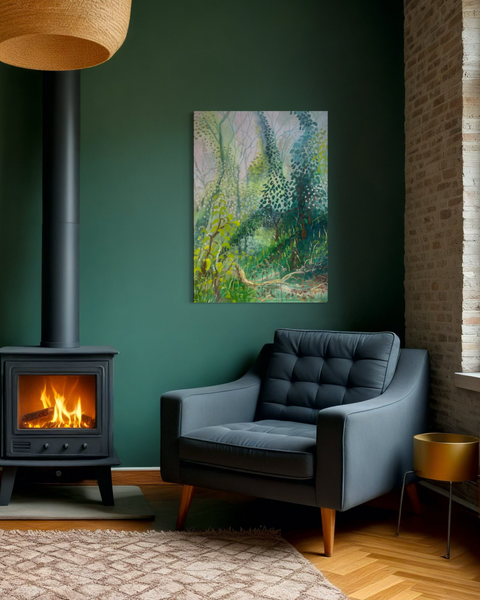
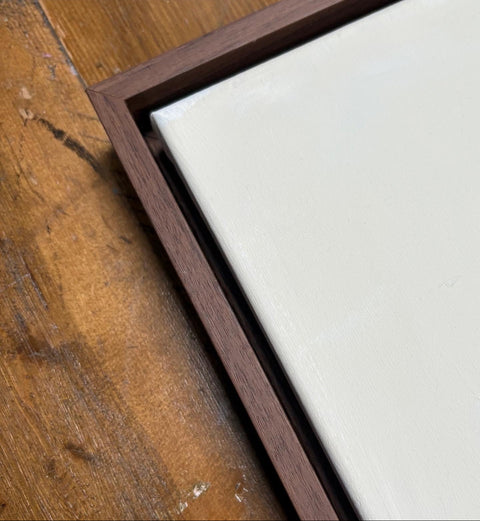
Black frames are graphic and bold. White feels gallery-fresh. Gold adds warmth. Natural wood is almost always a good call. The main thing to avoid? Matching your frame exactly to your wall - use the artwork as the bridge between the two instead.
3. Know your materials
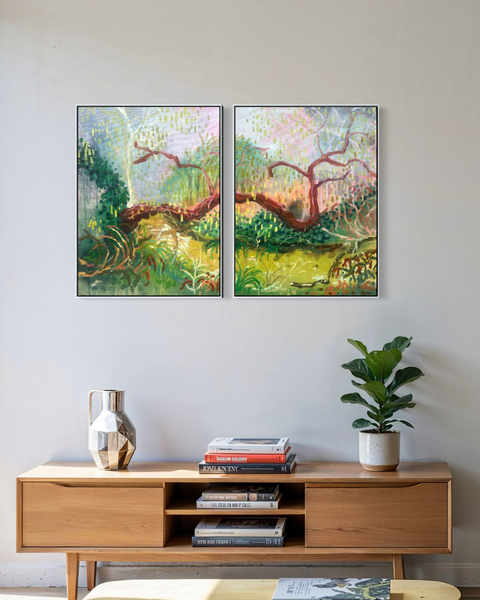
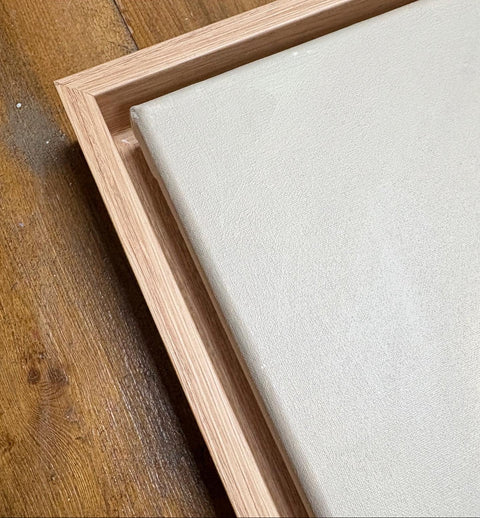
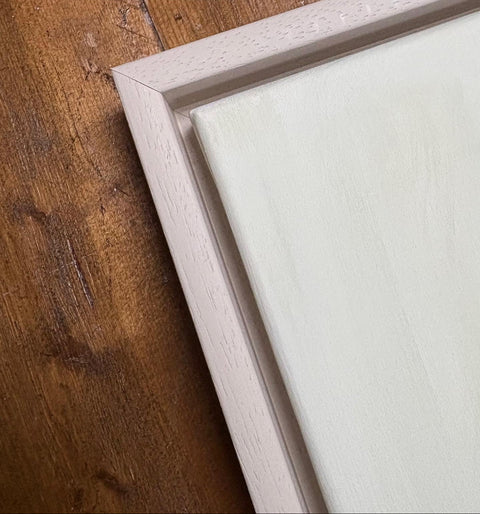
Wood is the most versatile - natural oak or walnut for earthy, organic work; painted white or black for something more contemporary; gilded or ornate for classical and figurative pieces. Metal frames are clean and minimal, great for prints and works on paper where you want the art to do all the talking. Floater frames are worth knowing about if you're buying canvas paintings. The artwork sits slightly away from the frame edge, so nothing gets covered - it's a beautifully modern look that works at any scale.
Lastly, a few practical things
If you're framing original work on paper, always use a mount (the card border between art and glass) — it keeps the paper off the glass and protects it long-term. And if the piece is going somewhere sunny, UV-protective glass is genuinely worth the extra cost.
Original art deserves a frame that treats it well. Take your time, hold samples up against the piece, and trust your eye - you probably know more than you think.
Discover framed and unframed original art with One of a Kind